Personalized Stories for Kids Facing New Routines
Learn how personalized preparation stories can help children rehearse new routines, big feelings, and first experiences with a trusted adult.
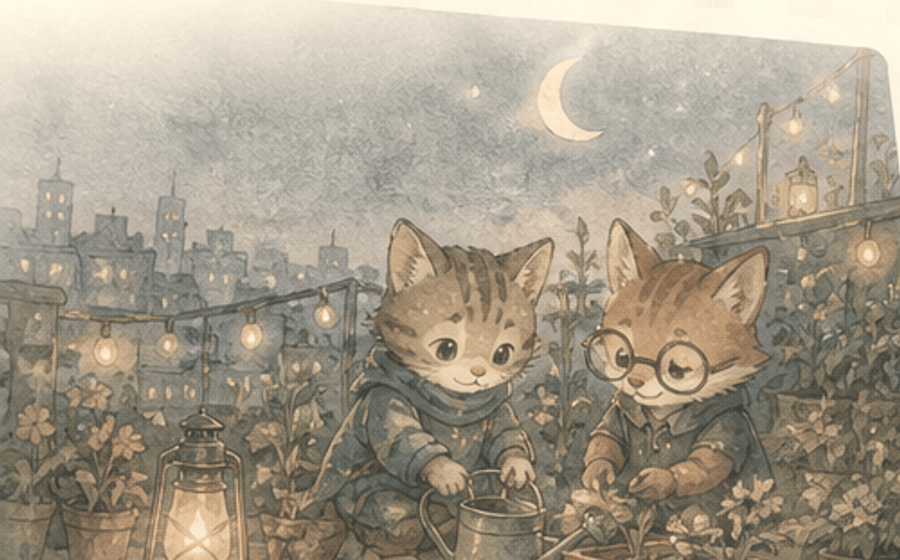
Personalized preparation stories work best when they feel familiar, specific, and easy to repeat. A child does not need a perfect script for a new routine. They often need a calm preview of what will happen, who will be there, what they can do, and how a trusted adult will help.
Start with one real moment
Choose one moment that your child is about to meet: a first day at camp, a dentist visit, a new bedtime routine, a flight, a haircut, or the arrival of a sibling. The story should stay close to that situation instead of trying to solve every possible worry at once.
Use details your child recognizes. Names, places, comfort objects, pets, and repeated family phrases make the story easier to picture. Those details also help the child understand that the story is about their real life, not a generic lesson.
Give the routine a clear shape
Children often handle change better when the sequence is visible. A preparation story can show the beginning, middle, and end of the experience: we arrive, we wait, we try the next step, we ask for help, and we go home.
Keep each step short and concrete. A strong page might say what the child sees, what the adult does, and one small action the child can practice. The goal is not to remove every feeling. The goal is to make the next step less surprising.
Include feelings without making promises
New routines can bring excitement, uncertainty, frustration, or pride. A useful story names those feelings in plain language and shows safe ways to respond, such as holding a grown-up’s hand, taking a breath, asking a question, or using a comfort item.
Avoid promises that no adult can guarantee. Instead of saying a child will not feel scared, the story can say that feelings can come and go, and that a trusted adult will stay nearby and help with the plan.
Read before the moment, then repeat
The best time to read a preparation story is before the new routine begins. Read it when the house is calm, then return to it more than once. Repetition lets the story become part of the family rhythm.
After the routine, the same story can help a child remember what happened and notice what they handled. That reflection can turn a new experience into something familiar for next time.
Quick answers
How long should a preparation story be?
A useful preparation story can be short. Focus on one upcoming moment, a few familiar details, and a clear beginning, middle, and ending that can be reread without feeling heavy.
When should families read a personalized routine story?
Read the story before the new routine begins, ideally during a calm part of the day. Repeating it more than once helps the sequence feel familiar before the child meets it in real life.
Can a story promise that a child will not feel worried?
No. A stronger story names that feelings can happen and shows what a trusted adult and child can do next, such as asking a question, holding hands, breathing, or using a comfort object.